Breeds · July 8, 2024
Best Cat Breeds for First-Time Owners: A Practical Shortlist
The easiest first cat is one whose energy, grooming and social needs fit your routine. Start with lifestyle, then consider breed.
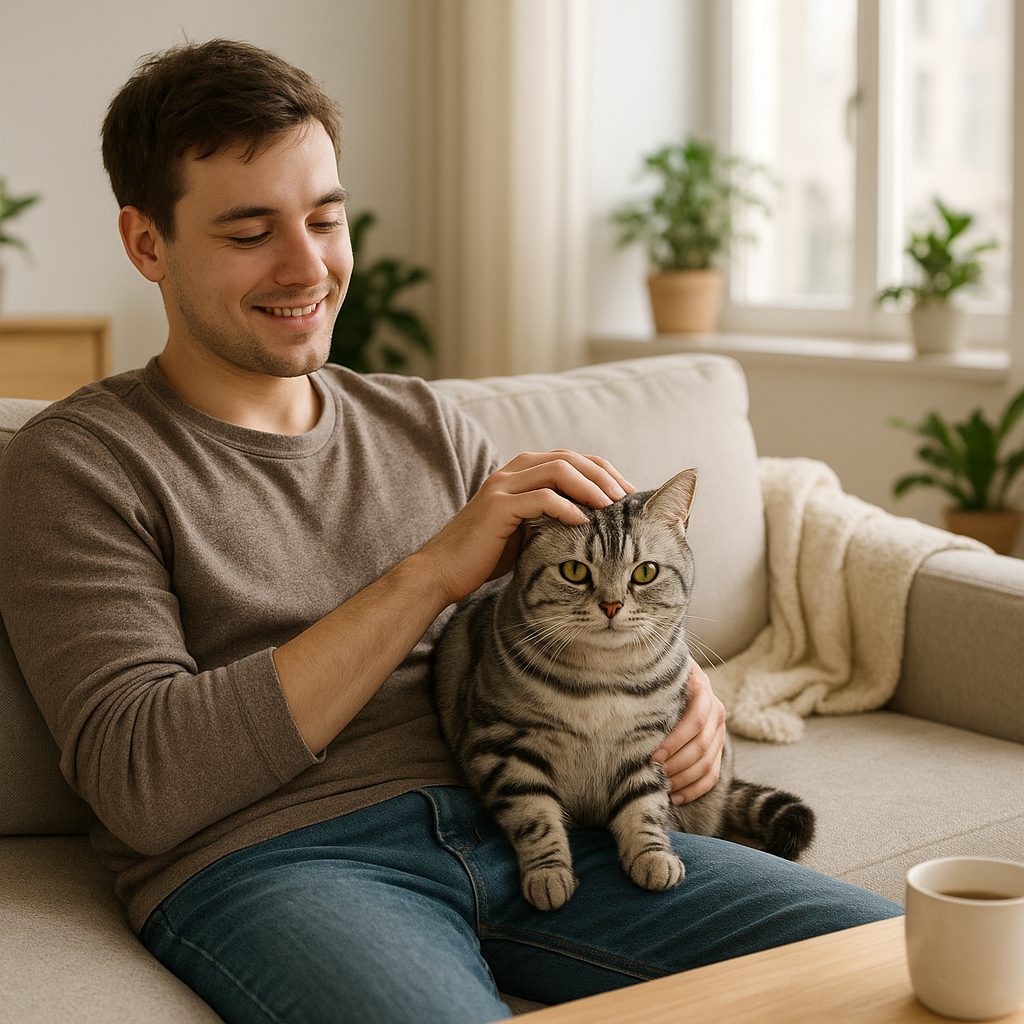
The best cat breeds for first-time owners are usually those with manageable grooming, a reasonably adaptable temperament and no specialist care requirements. Even so, breed is a starting point rather than a promise. Individual upbringing and personality can matter just as much.
Before choosing, decide how much time you spend at home, whether you enjoy daily grooming and how much activity you want. A quiet person who dislikes brushing should not choose a longhaired cat simply because it looks calm in photographs.
British Shorthair
British Shorthairs are often described as settled and undemanding. Many enjoy being near their people without constantly asking to be held. Their dense coat is comparatively easy to maintain, although weekly brushing still helps.
This can be a good fit for owners who want companionship without a cat following them from room to room all day. As with any stocky breed, portion control and play are important for maintaining a healthy weight.
American Shorthair
American Shorthairs are commonly adaptable, sturdy companions with a straightforward coat-care routine. They can combine playfulness with an ability to settle when the household is busy. For a first owner, that balance is often easier than a highly intense breed.
Provide climbing spaces, interactive play and predictable meals. An easy-care coat does not remove the need for mental stimulation or regular veterinary care.
Ragdoll
Ragdolls are known for their sociable nature and often enjoy close contact with their families. They can suit owners who want an affectionate cat and are comfortable with regular brushing. Their coat is not maintenance-free, especially around the hindquarters and during seasonal shedding.
A Ragdoll may be less suitable for someone who wants a highly independent pet. Ask the breeder about the individual kitten's confidence and how it responds to handling.
Burmese
Burmese cats are typically people-oriented, curious and active. Their short coat is simple to groom, but their social needs are substantial. They often want to participate in whatever the household is doing.
For an owner who works from home or enjoys daily interactive play, this can be delightful. For someone away for long hours, a similarly social companion animal or a more independent breed may be kinder.
Mixed-breed and rescue cats
A first-time owner does not need a pedigree kitten. Adult rescue cats can be an excellent choice because their personalities are already apparent. Foster carers and shelter staff can often tell you whether a cat likes laps, tolerates children, needs another cat or prefers a quiet home.
An adult with a known temperament may be easier than guessing how a tiny kitten will develop. Ask about health history, litter habits, reactions to handling and previous changes of home.
Costs that are easy to underestimate
The purchase or adoption fee is only the beginning. Budget for a secure carrier, litter equipment, scratching surfaces, climbing spaces and routine veterinary visits. Longhaired breeds may need professional grooming, and some breeds have health-screening or insurance considerations that affect long-term costs.
It is sensible to plan for emergencies before bringing the cat home. Find the nearest veterinary clinic and out-of-hours service, and decide whether insurance or a dedicated savings reserve fits your situation better.
Match the home before meeting the kitten
Prepare one quiet room with food, water, a tray, a hiding place and a comfortable bed. A new cat does not need immediate access to every room and every family member. Gradual exploration helps prevent overwhelm and makes litter habits easier to maintain.
First-time owners sometimes worry that they are doing too little during the early days. Quiet observation is often exactly right. Let the cat approach, keep the routine predictable and ask for help if eating, drinking or toileting changes. Confidence grows through many ordinary, uneventful days rather than through constant attention.
Activity inside an ordinary home
Every breed needs some form of enrichment, but the delivery can be simple. A sturdy perch, a scratching surface and two short play sessions may be enough for one cat, while another needs puzzle feeding and more climbing. Watch what your cat chooses instead of assuming that breed descriptions predict every preference.
Consider noise as well as activity. Some cats regularly hold conversations with their owners, which can be charming or exhausting depending on your expectations. Meeting adult examples helps you understand the reality better than a list of adjectives.
A better way to make the final choice
Make a short list based on grooming time, desired activity and sociability. Meet more than one cat and ask what the animal is like on an ordinary Tuesday, not only during a visit. Budget for insurance or emergency care, quality food, litter, enrichment and routine veterinary treatment.
The best first cat is not the breed at the top of a universal ranking. It is the healthy individual whose needs you can meet consistently, including on busy weeks and for many years into the future.