Show ring · May 30, 2026
How to Show a Cat: Preparation, Paperwork and Show-Day Basics
Showing starts long before the judge calls a number. The cat's comfort, accurate entry details and a calm routine matter more than last-minute polish.
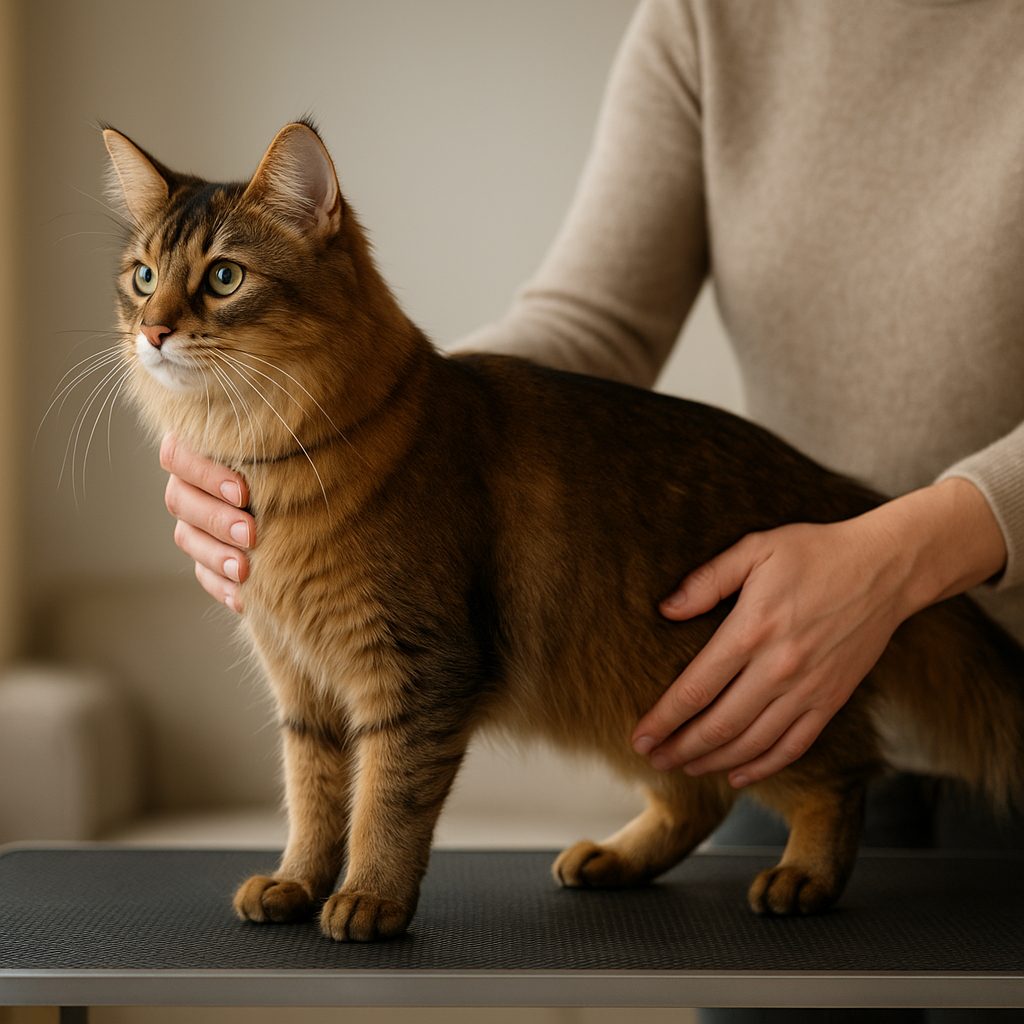
Learning how to show a cat is easier when you treat the first event as a training experience rather than a championship campaign. A beautiful cat that is frightened, uncomfortable or unfamiliar with handling will have a much harder day than a well-prepared cat with a modest show record.
Begin by reading the rules of the association hosting the event. Registration, age classes, vaccination requirements and entry deadlines are not interchangeable between organizations. If your cat has no pedigree, check whether household-pet entries are available instead of assuming that shows are only for breeding cats.
Decide whether your cat will enjoy the process
A show cat needs to tolerate travel, unfamiliar sounds, a different enclosure and examination by strangers. Curiosity and steadiness are more useful than dramatic confidence. A cat that panics when picked up by a trusted person is not ready for a judging table.
Practice at home in short sessions. Place the cat on a nonslip surface, support its body, look at its coat and reward relaxed behavior. Introduce a show enclosure or a similar safe space gradually. Stop while the session is still going well; repeated calm minutes are more valuable than one long, stressful rehearsal.
Registration and the entry form
Pedigree cats normally need registration details that match the owner's documents exactly. Check the registered name, registration number, breed, color, date of birth and class. If the cat has been spayed or neutered, make sure you enter the appropriate class rather than the intact championship class.
The show flyer lists the schedule, closing date, fees, hall rules and any veterinary requirements. Keep confirmation emails and required documents in one folder. Do not wait until the morning of the show to discover that a name is misspelled or a vaccination record is missing.
Grooming is regular care, not a disguise
Good show grooming begins weeks ahead. Nails should be trimmed, ears clean and the coat free of grease, mats and loose hair. Bathing requirements differ dramatically between breeds: a Persian and a Sphynx do not need the same routine. Ask an experienced breeder or exhibitor about your breed's standard before trying a new product.
Avoid last-minute experiments with sprays, coloring, fragrances or heavy conditioners. Judges expect a clean, healthy coat, not an artificial shape. Any skin irritation, parasites or signs of illness mean staying home. A show is no place to risk your cat's health or expose other animals.
What to pack
- Show confirmation and any required veterinary documents.
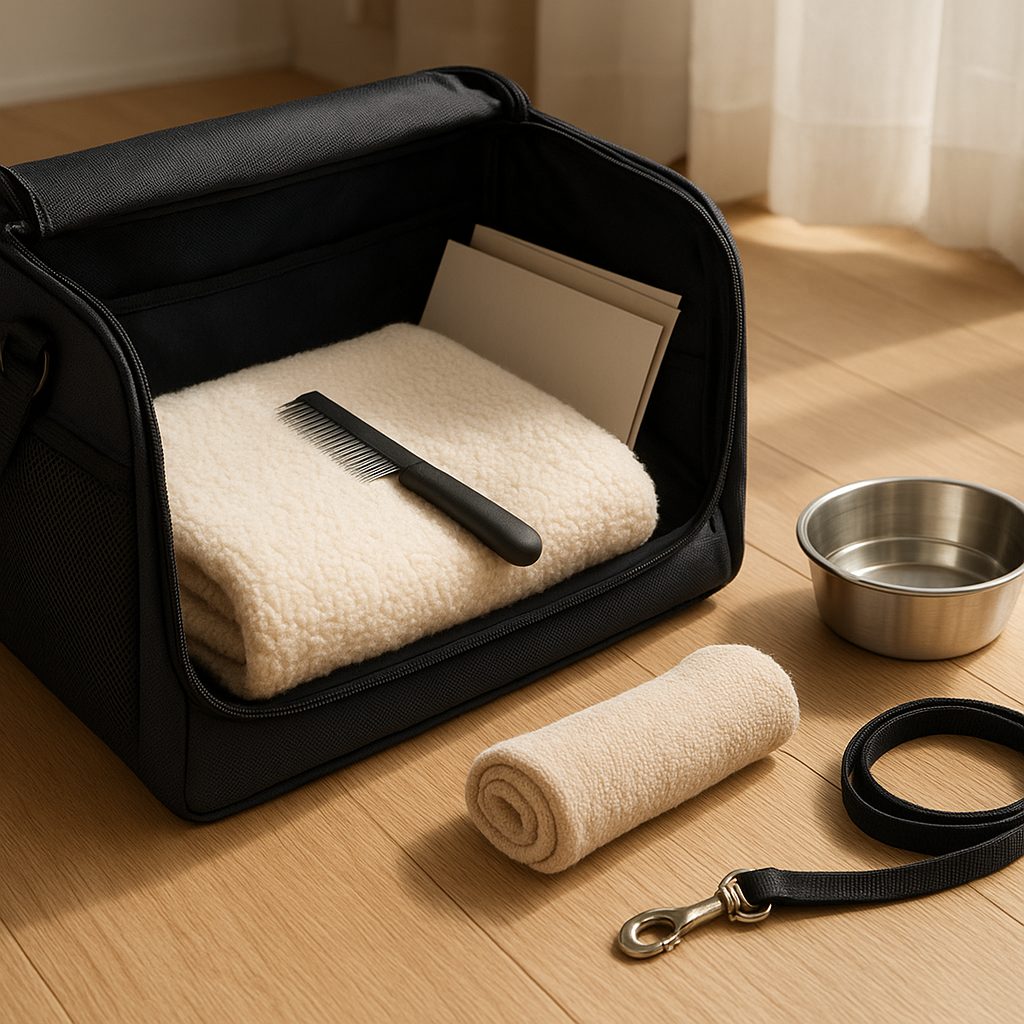
- A secure carrier with an absorbent pad and a spare pad.
- Familiar food, water, a small bowl and your own litter supplies.
- A show enclosure if required, plus washable curtains or coverings.
- Comb, brush, cloths, grooming wipes and breed-appropriate supplies.
- A familiar blanket, cleaning bags and a small first-aid kit.
On show day
Arrive early enough to find your benching space, set up the enclosure and let the cat settle. Keep the area quiet and check the catalog for your number and ring assignments. Listen for calls rather than relying only on the printed schedule; judging can move faster or slower than expected.
When your class is called, carry the cat securely and leave handling on the table to the judge unless instructed otherwise. Afterward, return the cat to its enclosure and offer water. Between rings, watch how experienced exhibitors organize their space and speak to their cats.
Training for the carrier and the journey
Travel preparation begins with the carrier standing open at home. Put a familiar blanket inside and let the cat investigate it without being shut in immediately. Progress to short closures, calm lifts and a few brief car trips if your veterinarian agrees that the cat is ready. Feeding or play near the carrier can make it a normal piece of furniture rather than a warning sign.
On the morning of the show, avoid rushing through the house with last-minute bags. Pack the night before and leave enough time for a calm departure. A cat that arrives already exhausted has fewer resources for the hall.
Planning the first weekend realistically
Choose a manageable event within reasonable travelling distance. A smaller show can give you more opportunities to watch ring procedure and speak with experienced exhibitors. Tell the show contact that it is your first entry if mentorship is offered; many clubs have a formal or informal newcomer program.
Set goals that do not depend on awards: arriving on time, keeping the enclosure clean, learning the catalog and returning with a comfortable cat. If your cat handles one ring well but becomes overwhelmed later, that information is valuable. You can shorten future entries, change the show environment or decide that competition is not the right activity.
After the ribbons
Results are useful feedback, but they do not change your cat's needs. Go home, offer a normal meal and allow time to rest. Clean all equipment before the next event. If the cat remained tense throughout the day, consider more home training, a quieter class or simply enjoying your cat without competition.
The best first show is not necessarily the one with the biggest ribbon. It is the one where you understand the process, your cat returns home settled and you know exactly what to practice next time.