Breeds · February 11, 2024
Pedigree Cats: What the Papers Mean — and What They Do Not
A pedigree records ancestry; it does not measure how healthy, friendly or well cared for a cat will be.
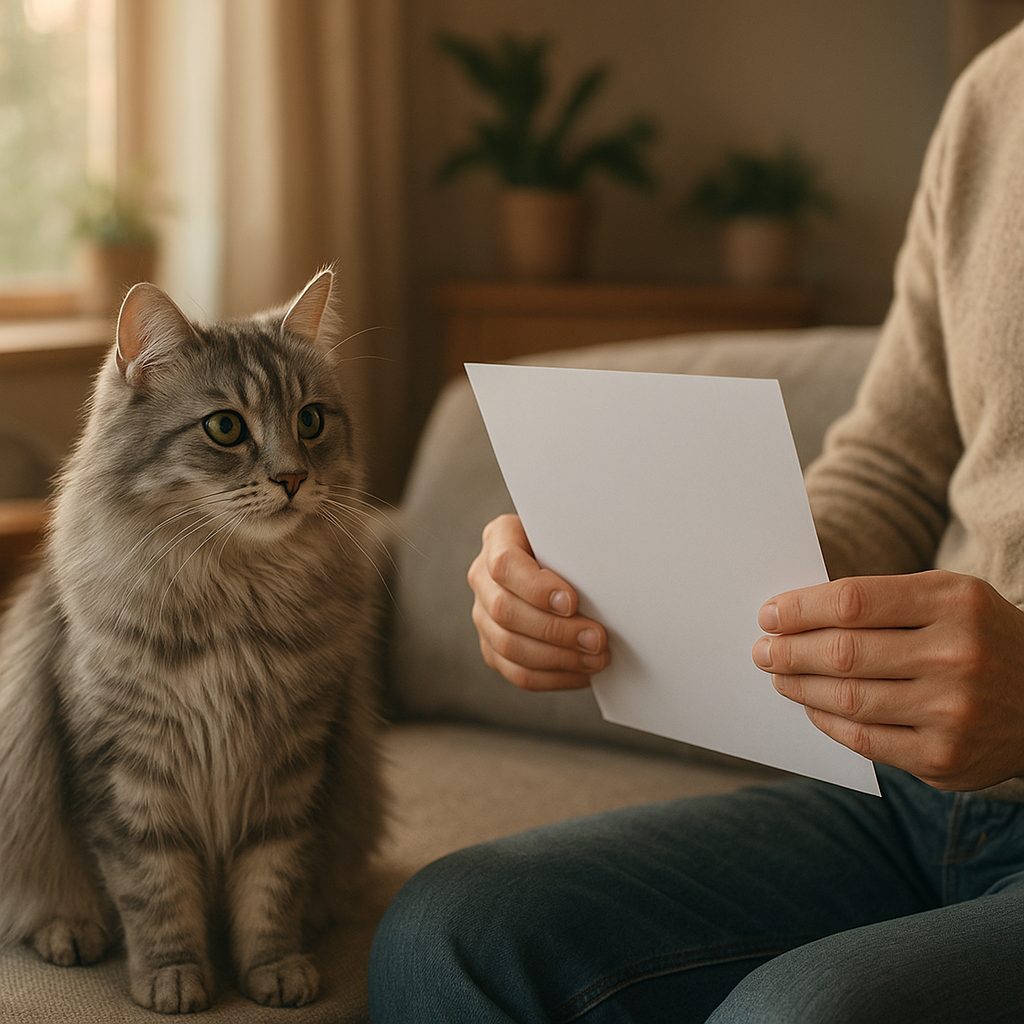
Pedigree cats have a documented ancestry recorded through a cat registry. Their breed is not based only on appearance: parents and earlier generations are listed in an official record, usually with registered names, numbers and identifying details.
That documentation can be valuable, but it is often misunderstood. Registration papers do not guarantee perfect health, an easy temperament or a responsible breeder. They are one part of the picture, alongside veterinary care, socialization and honest information about the kitten's early life.
Pedigree, registration and breed standard
A pedigree is the family record. Registration is the administrative act of recording a cat with a registry. A breed standard is something different again: a written description of the ideal physical characteristics and sometimes general temperament used by breeders and show judges.
A kitten can look very much like a particular breed and still lack documented ancestry. Conversely, a registered kitten may grow into an adult that does not closely match the show ideal. Neither fact changes its value as a companion.
What documents you may receive
Practices vary between registries and breeders. You may receive a registration form, a certificate, a transfer document or instructions for registering the kitten in your name. A multi-generation pedigree may be included or available separately. Check that the kitten's identifying details agree across every document.
- Registered name and registration number.
- Breed, color, sex and date of birth.
- Names and numbers of the parents.
- Breeder and owner information where applicable.
- Any breeding or show restrictions stated by the registry.
Keep digital and paper copies. If a document is promised after sale, ask for the reason and a clear timeframe in writing. Do not rely on a vague assurance that papers can always be sorted out later.
Health testing is a separate conversation
A pedigree does not tell you which inherited conditions may affect a breed or whether the parents were screened appropriately. Ask which health concerns are relevant, what tests were performed on the parents and how recently. A good breeder can explain results without hiding behind technical language.
Request vaccination and parasite-treatment records, information about microchipping and details of the kitten's veterinary checks. If a contract includes health conditions, read the timelines and obligations carefully. Independent veterinary advice is especially useful when you are unfamiliar with a breed.
Pet, breeding and show quality
Breeders sometimes describe kittens as pet, breeding or show quality. These are practical assessments, not rankings of how lovable the animal is. Pet-quality kittens may have a minor departure from the show standard that has no effect on their health or ability to be excellent companions.
Breeding rights should never be assumed. They involve separate responsibilities, knowledge and contractual agreements. Most people looking for a family cat are better served by a kitten placed as a pet with an appropriate spay-or-neuter arrangement.
How to read the breeder's answers
A responsible breeder should be comfortable explaining why two cats were paired and what kind of homes the kittens are expected to join. Listen for specific answers about temperament, early handling, health screening and support after collection. A beautiful pedigree displayed instead of answers is not enough.
Ask where kittens spend their first weeks and how they meet ordinary household sounds. Socialization cannot be proved by a certificate, but it strongly influences how a kitten adapts. Be cautious if you are pressured to pay immediately or discouraged from asking about the parents.
Registration does not define quality of life
Two cats with similar ancestry can have completely different lives depending on their environment. Enrichment, appropriate nutrition, preventive care and patient handling are daily choices that no registry can make for you. A rescue cat without documents deserves the same thoughtful care as a show champion.
If your goal is showing, learn the registration rules before purchasing and confirm that the kitten is eligible for the intended class. If your goal is companionship, focus on the individual in front of you. The paperwork should support an informed decision, not become the decision itself.
Questions about the kitten's early weeks
Ask when the kitten was born, how long it remained with its mother and littermates, and what experiences it had before going to a new home. Early handling, normal household sounds and appropriate play all help shape confidence. Age requirements for placement should be taken seriously rather than treated as an inconvenience.
It is also reasonable to ask what support is available if the match does not work. A responsible breeder generally wants to be informed and may require the cat to be returned rather than passed to an unknown home. That commitment says more about responsibility than an elaborate pedigree frame.
Does a pedigree matter for a household pet?
Not necessarily. Mixed-breed cats and cats without papers can be healthy, beautiful and deeply bonded to their owners. Many shows even include household-pet classes, recognizing condition and personality without requiring a pedigree.
Choose a pedigree cat when you value the predictable traits of a breed and are prepared for its particular needs. Choose the individual cat and the breeder or rescue organization carefully either way. Papers can explain ancestry, but daily care determines the life the cat actually has.